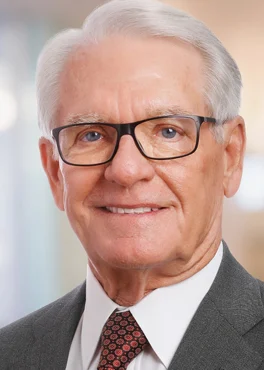
Business Role
using lower prices and technology to broaden market access and build asset scale
Business Context
Fixed commissions protected traditional Wall Street until SEC deregulation in 1975.
Strategic Bets
- cut commissions after May Day
- embrace phone/online access
- build mutual-fund open architecture
- serve independent RIAs
- focus on salaried service rather than transaction pressure
Business-Model Consequences
Leadership decisions shift economics among price, cash, asset fees, lending and advice. A lower commission can reduce one line while increasing lifetime client value.
Strategic Tension
low prices are only sustainable if scale and relationship economics replace high ticket fees
Balance-Sheet Lens
Schwab leadership must manage a large bank balance sheet alongside brokerage strategy: deposits, liquidity, securities duration, lending, regulatory capital and shareholder returns.
What to Watch
whether future products preserve the access/transparency philosophy
Decision Framework
Judge decisions on durable client assets, service quality, liquidity resilience and return on capital rather than one quarter of trading activity.
Evidence
Price as Distribution
Chuck Schwab's core insight was that price could be a distribution strategy.
Lower commission revenue per trade could create far more trades, accounts and assets.
That logic later repeated with:
- online trading;
- mutual funds;
- low-cost ETFs;
- $0 commissions.
Salaried Service Model
Schwab also differentiated from traditional brokers whose compensation encouraged transaction generation. A less commission-driven service culture helped the brand position itself around investor outcomes rather than product pushing.
Modern Relevance
The modern company is far more complex than the 1975 broker, but its core economic logic remains: lower a visible barrier, gather assets, then build scale-based financial services around the relationship.
The Access Philosophy
The founder's strategy was not simply "charge less."
It was to remove structural frictions that kept ordinary investors from participating efficiently.
Over time those frictions included:
- fixed commissions;
- limited mutual-fund choice;
- poor online access;
- expensive ETFs;
- lack of independent-advisor infrastructure.
This creates continuity between discount brokerage and later moves such as low-fee ETFs and private-market access.
Business-Model Innovation
Lower prices were sustainable because Schwab kept changing where it earned money.
That is the enduring company pattern: