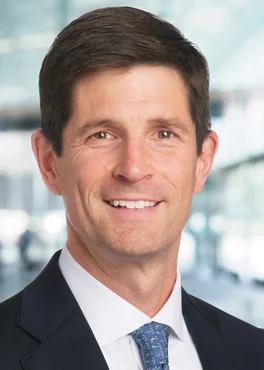
Business Role
moving Schwab from integration/balance-sheet repair into relationship deepening, wealth growth, RIA growth and private-market expansion
Business Context
He became CEO Jan. 1, 2025 after serving as President and earlier leading asset-management solutions.
Strategic Bets
- deepen existing relationships
- grow managed/advised assets
- expand Advisor Services
- maintain trading capability
- integrate Forge/private markets
- preserve balance-sheet discipline
Business-Model Consequences
Leadership decisions shift economics among price, cash, asset fees, lending and advice. A lower commission can reduce one line while increasing lifetime client value.
Strategic Tension
monetize more of each relationship without weakening the low-cost/transparency promise
Balance-Sheet Lens
Schwab leadership must manage a large bank balance sheet alongside brokerage strategy: deposits, liquidity, securities duration, lending, regulatory capital and shareholder returns.
What to Watch
sustained NNA, wealth adoption, private-market integration and high pretax margins
Decision Framework
Judge decisions on durable client assets, service quality, liquidity resilience and return on capital rather than one quarter of trading activity.
Evidence
Post-Integration Mandate
Wurster took over after the most disruptive integration work was largely finished. His task is therefore monetization and growth, not merger completion.
The key shift is:
His asset-management background makes managed investing and product depth especially relevant.
Capital Discipline
Wurster inherited a much healthier funding position than Schwab had in 2023. The strategic temptation is to re-lever the balance sheet aggressively as cash normalizes. The more durable path is to grow lending while maintaining liquidity and capital buffers.
Measure of Success
A strong outcome would combine:
- 5%+ organic NNA;
- growing advice assets;
- stable RIA relationships;
- normalized funding;
- high pretax margins;
- successful private-market expansion.
Post-Integration Mandate
Wurster did not inherit the same company Bettinger inherited.
The TD integration was largely complete, supplemental funding was falling and Schwab had enormous scale.
The leadership question shifted from:
toward:
This explains the focus on wealth, managed investing, RIA growth and private markets.
Growth Quality
Wurster should be evaluated on the mix of growth:
- organic NNA;
- client retention;
- deeper advice adoption;
- sustainable NIR;
- fee growth;
- operating leverage.
Growth created only by rising equity markets would be less compelling than durable organic asset gathering.