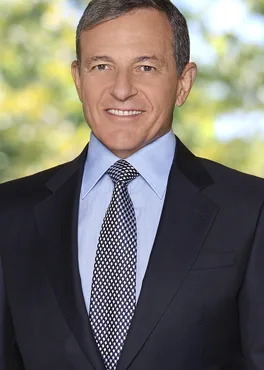
Current Status
At the research cutoff, Iger is not Disney's CEO. He is Senior Advisor after Josh D'Amaro became CEO on March 18, 2026. [S6][S10]
First CEO Era
Iger became CEO in 2005. His strategy emphasized premium branded content, technology and international growth.
Pixar
The 2006 Pixar acquisition restored a crucial creative relationship and brought Pixar leadership into Disney animation. [S19][S20]
Marvel
The 2009 Marvel acquisition added thousands of characters and a franchise system that later expanded across film, streaming, parks, games and products. [S21][S22]
Lucasfilm
The 2012 Lucasfilm acquisition added Star Wars, Indiana Jones, ILM and Skywalker Sound. [S23][S24]
21st Century Fox
The 2019 Fox transaction was much larger and more complex. It expanded Disney's studio and television assets, international presence and Hulu ownership. [S25][S26]
Streaming
Iger's first tenure positioned Disney for direct-to-consumer distribution; his 2022 return focused heavily on restoring accountability, reducing streaming losses and rebuilding creative performance. [S37][S38]
Experiences and International Expansion
Iger also oversaw Shanghai Disney Resort and continued expansion of Disney's global physical footprint. [S10]
Capital Allocation Pattern
Iger's acquisitions were not simply revenue purchases. Disney repeatedly targeted assets that could be monetized across more of its business system than under prior ownership.
Business Legacy
The modern Disney portfolio — Pixar, Marvel, Lucasfilm, Fox assets, Hulu control and Disney+ — is inseparable from Iger-era decisions.
Evidence
Acquisition Pattern
Iger's major acquisitions followed a recognizable logic.
Pixar
→ creative / animation engine

Marvel
→ character universe

Lucasfilm
→ global franchise + production technology

Fox
→ scale + Hulu + international assets
The first three were relatively concentrated IP/capability acquisitions.
Fox was much broader and brought significantly more integration complexity.
Streaming Reversal
Iger's strategic record also includes deliberately weakening part of Disney's legacy distribution model by moving content toward direct streaming.
That mirrors a broader pattern in business transformation:
sometimes the company must disrupt a profitable distribution channel before an external competitor does it first.
Decision Framework
Bob Iger's importance is best understood through portfolio architecture through acquisitions, international expansion and direct-to-consumer transformation.
A business-actor page should connect decisions to changes in Disney's asset base, distribution control and economics.
Major Decisions / Responsibilities
- Pixar acquisition
- Marvel acquisition
- Lucasfilm acquisition
- 21st Century Fox acquisition
- Disney+ launch
- Hulu control
- organizational restructuring after 2022 return
These decisions affect:
creative output
↓
consumer distribution
↓
capital allocation
↓
franchise monetization
↓
company structure
Strategic Tension
The central tension is that large acquisitions created extraordinary IP scale but also integration complexity, debt and pressure to extract more value from franchises.
Disney leadership is unusually difficult because the company combines businesses with radically different economics:
- film production;
- software/streaming;
- sports rights;
- hospitality;
- cruise construction;
- licensing.
A decision that improves one segment can create costs or channel conflict elsewhere.
What to Watch
The most important question is the long-term returns from the asset base he assembled and how well the next leadership team operates it.
Useful evidence includes:
- segment margins;
- streaming profitability;
- box-office quality;
- franchise longevity;
- attendance and guest spending;
- capex returns;
- sports economics.
Capital Allocation Lens
Disney's leaders must decide how much capital belongs in:
new films / series
streaming technology
sports rights
parks
cruise ships
games partnerships
shareholder returns
That allocation determines which parts of the IP flywheel can grow.