Role
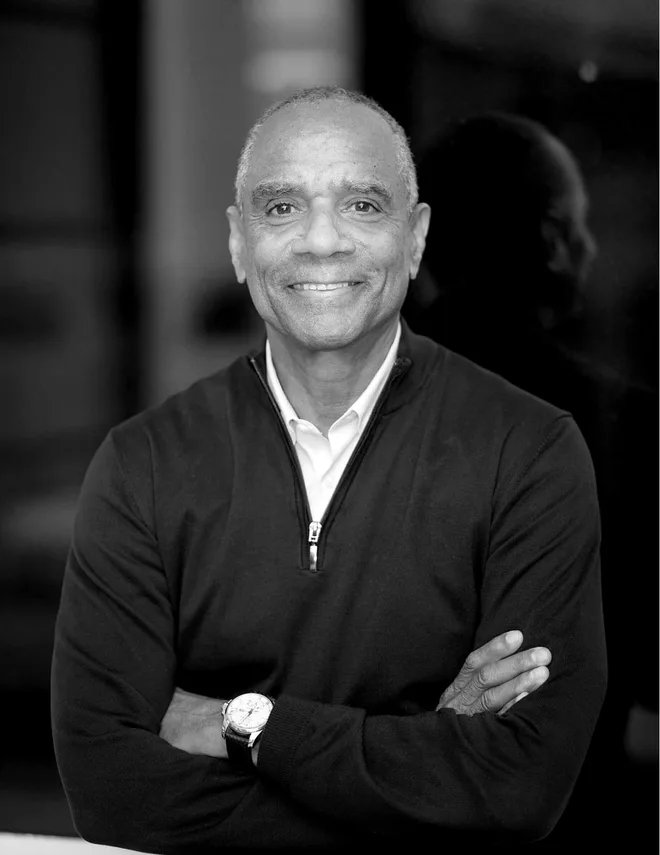
Kenneth I. Chenault served as Chairman and Chief Executive Officer of American Express from 2001 until 2018.
His tenure bridges two very different eras:
- the pre-smartphone travel / card company;
- the modern digital payments and Membership company.
He led through major external shocks and through the structural narrowing of American Express around payments.
The Company He Inherited
American Express had already spent years reshaping itself after earlier diversification into brokerage, banking and other financial activities.
By the early 2000s, the company still carried a strong travel-services identity and a premium charge-card heritage.
But competition in credit cards was intensifying.
Technology was changing how consumers paid.
And the company would soon face multiple crises.
September 11
Chenault became CEO in 2001.
Only months later, the September 11 attacks disrupted travel and directly affected American Express colleagues and facilities in lower Manhattan.
The event mattered operationally and economically because travel and entertainment spending were central to the franchise.
Leadership during the crisis reinforced the company's long-standing emphasis on service and trust.
The Financial Crisis
The 2008 financial crisis was a deeper test of the economic model.
American Express was not only a payments company.
It carried credit risk and depended on funding markets.
The company became a bank holding company in 2008.
That transition increased access to deposits and Federal Reserve facilities, but also placed the company firmly inside bank regulatory structures.
Modern American Express cannot be understood without this shift.
Payments Focus
Over Chenault's tenure, American Express became increasingly focused on cards, payments, merchant services, loyalty and related travel assets.
The broader historical conglomerate structure receded.
This made the company's identity clearer:
premium customer relationships + payments + merchants + service.
Digital Transition
The later Chenault years coincided with rapid smartphone adoption and digital-wallet growth.
The customer interface moved from:
plastic card
paper statement
phone servicing
to:
mobile app
digital wallet
real-time alerts
online rewards
API-driven commerce
That required American Express to become a software company in operational terms even though its industry remained financial services.
Costco Loss
One of the most important strategic events of the period was the end of the Costco U.S. cobrand relationship.
The loss showed the risk of concentrated partnerships.
A large cobrand can deliver enormous volume.
But a partner can renegotiate or move networks.
The event pushed American Express to accelerate proprietary growth, merchant acceptance and other partnerships.
Rebuilding Proprietary Growth
American Express responded by investing in:
- proprietary products;
- new cobrand relationships;
- merchant coverage;
- digital capabilities;
- customer acquisition.
The lesson was that a premium payments company cannot depend excessively on any one partner.
Merchant Network
Chenault's era also continued the expansion of the merchant network.
A premium card with lower acceptance creates a structural vulnerability.
Closing that gap became one of the foundations that Squeri would later push further.
Global Network Partnerships
American Express expanded relationships with third-party issuers internationally.
This allowed the company to extend the brand and network without owning every local card receivable.
The hybrid proprietary + partner model remains central today.
Leadership Legacy
Chenault's most important legacy is not a single product.
It is institutional continuity through repeated shocks.
The company emerged from his tenure as:
- a more focused payments business;
- a regulated bank holding company;
- a digitally modernizing issuer;
- a global network with broader partnerships;
- a company preparing to compete more aggressively on Membership value.
What Changed After Chenault
Squeri's era expanded premium fees, proprietary travel / dining assets and AI strategy more aggressively.
But those later moves built on structural foundations established or strengthened under Chenault:
- direct customer relationships;
- integrated merchant network;
- bank funding / regulation;
- proprietary product focus;
- digital service infrastructure.
Why He Gets a Separate Page
A generic CEO biography would add little.
Chenault deserves a page because his tenure explains why American Express survived events that could have broken a narrower payments company.
It also explains why the current company is more focused than the diversified American Express of previous generations.
What Most People Miss
The important story is not that Chenault 'ran a credit-card company.'
He managed a company simultaneously exposed to:
- travel cycles;
- credit losses;
- funding markets;
- merchant acceptance;
- payment technology;
- partnership concentration.
That complexity shaped the modern risk culture of American Express.