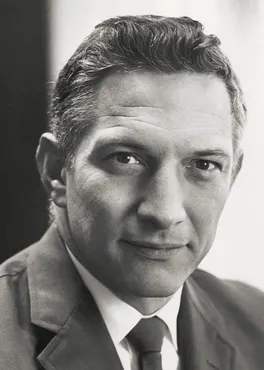
1. Business Role
Noyce and Moore left Fairchild because they believed semiconductor profits should be reinvested more aggressively into new technology. [S7]
That complaint became Intel's founding principle.
2. The Business He Started
Intel began with semiconductor memory and a commitment to build technology that did not yet exist commercially.
That R&D-first model created the environment in which the microprocessor could emerge.
3. Business Thesis
Noyce's Intel was designed to avoid becoming a slow corporate subsidiary.
The company wanted:
- technical autonomy;
- rapid decision-making;
- engineering authority;
- reinvestment in new process technology.
Those principles later became part of Silicon Valley's broader startup culture.
4. Strategic Bets
Noyce's biggest bet was organizational.
He created a company in which advanced semiconductor research and high-volume manufacturing belonged together.
That integrated approach remained Intel's defining structure for decades.
5. Business Legacy
Noyce's legacy can be seen in Intel's modern Foundry strategy.
The company still believes manufacturing capability can be a strategic technology asset rather than a commodity back-end function.